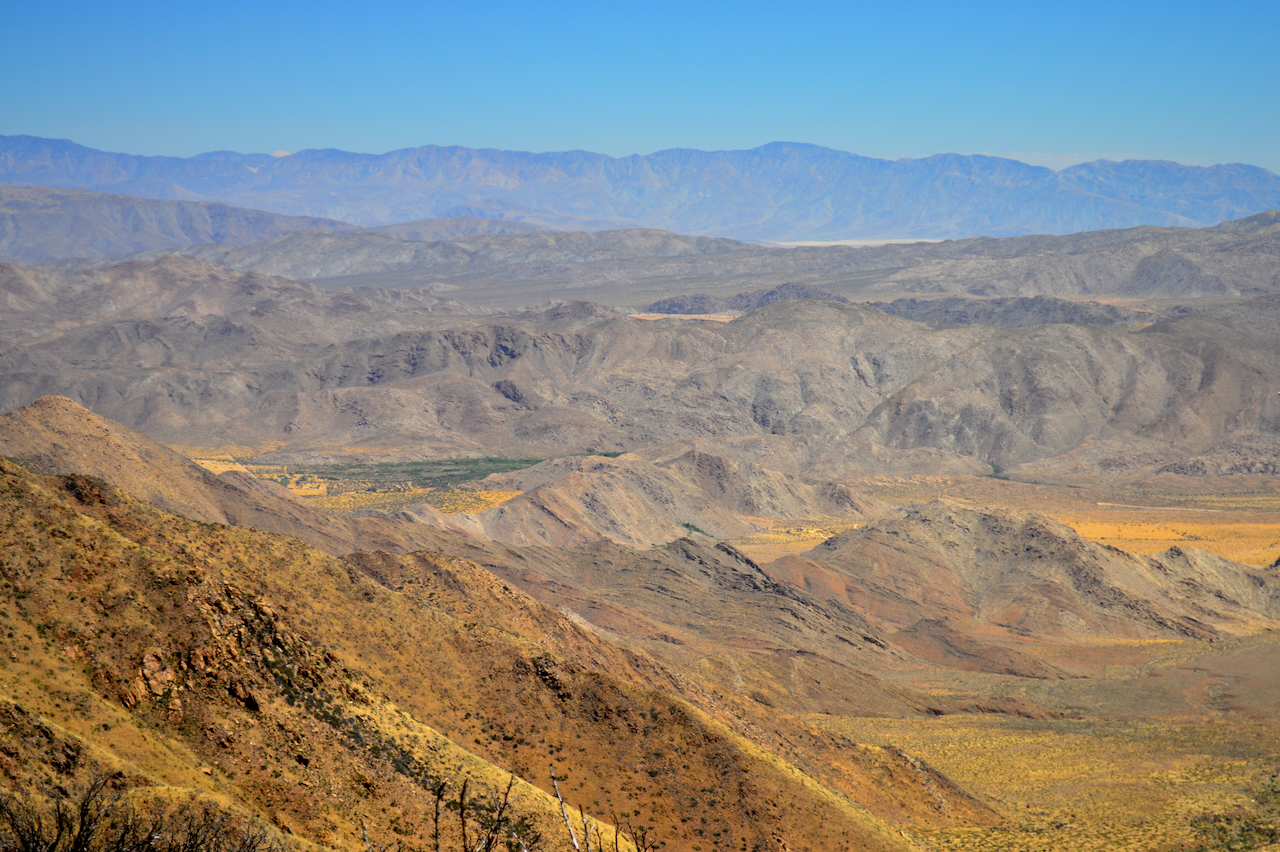
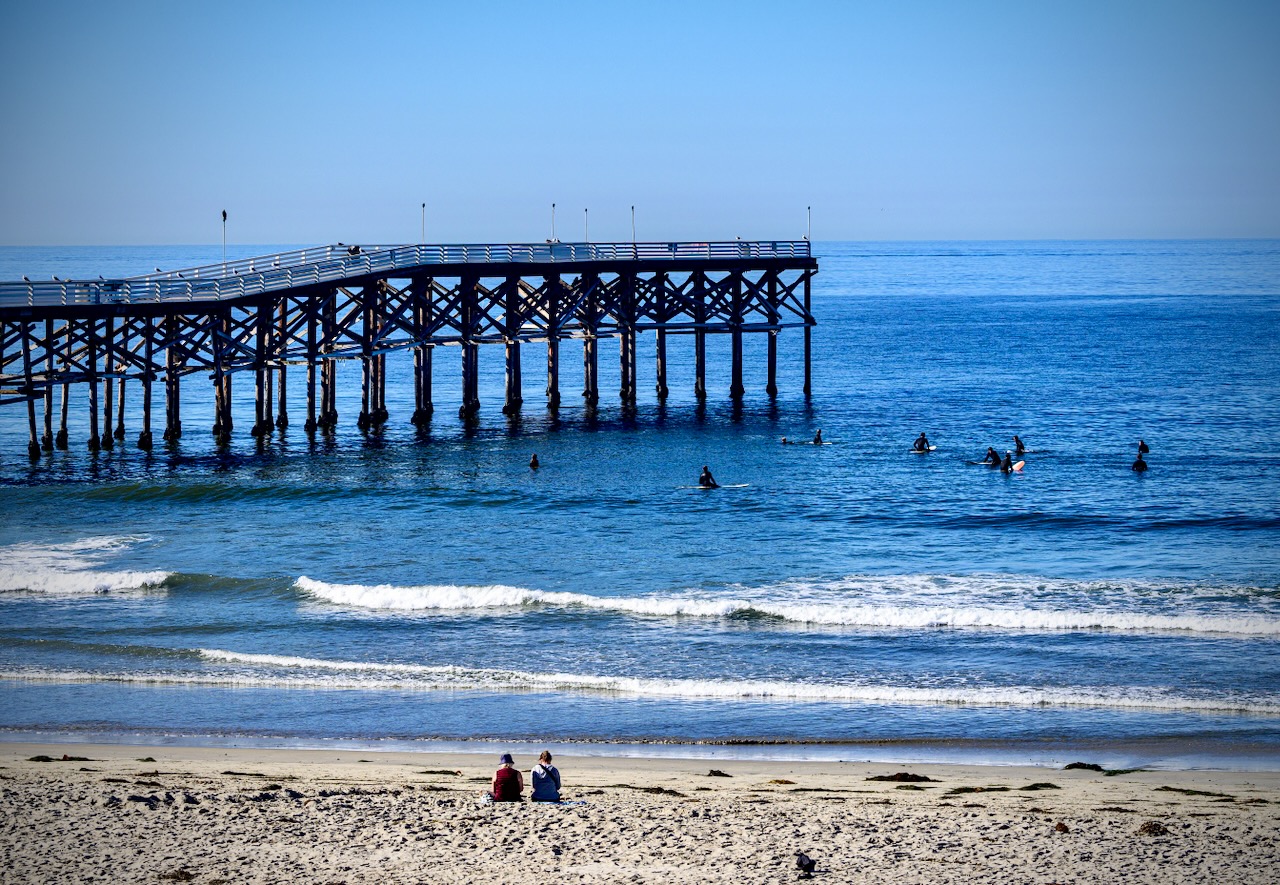
In my experience San Diego is the best large city to live in the United States. Over the years when I have looked at other ratings San Diego has many times been their top choice also. Why, #1 near perfect “Mediterranean” climate. #2 one of the few places with so much dramatic and varied geography. In San Diego you can take a swim, sail, or surf at the beach in the morning. Visit one of the best city parks anywhere – Balboa Park or stop by one of the museums. Drive one hour to the mountains where snow can fall in the winter, they are covered with pines, fish in a lake, or see the World’s largest optical telescope mid day. The drive down to the desert in Borrego Springs to see huge wildflower blooms in early spring and have dinner watching the desert sunset. #3 It is not LA. San Diego is big, but far far more manageable to visit, drive, relax, and enjoy life. And in the area of San Diego County are some of the most desirable places to live in the United States. La Jolla, Rancho Santa Fe, Carlsbad, Coronado, Fallbrook, Julian, Jamul, Del Mar, Point Loma, Mission Hills, Downtown San Diego, Rancho Bernardo, Encinitas, La Mesa, and quite a few more. And the World’s best two Zoos.
San Diego is the main city and county seat of San Diego County, on the Pacific in the far southwest corner of California, about 120 miles south of Los Angeles and on the Mexican border at Tijuana.
The city. About 1.41 million people in 2026, it is California’s second-largest city. The climate is mild and dry most of the year — often called one of the most even climates in the country — with beaches, a large natural harbor, Balboa Park, and a downtown that mixes tourism, the Navy waterfront, and newer residential towers. Major employers and anchors include the U.S. Navy (home port of a large Pacific fleet), UC San Diego, a sizable biotech and life-sciences cluster, tourism, and the port.
The county. Roughly 3.28 million people, second only to Los Angeles County in California, spread over about 4,200 square miles. It runs from the coast (La Jolla, Del Mar, Oceanside, Coronado) through inland suburbs (Chula Vista, El Cajon, Escondido, San Marcos) into mountains, the Cleveland National Forest, and semi-rural backcountry such as Alpine, Ramona, and Jamul, then to desert near the Imperial County line. Incorporated cities plus large unincorporated areas make it more varied than the city alone.
Economy. Defense is still the backbone: the 2025 Military Economic Impact Report put military-related activity at about $61 billion and roughly 22% of the regional economy, supporting on the order of 350,000 jobs directly and indirectly. Tourism, health care, professional services, international trade through the border and port, and biotech fill out the rest. Median household income is a bit over $100,000, but housing costs are high by national standards and a long-running local constraint.
In short: a coastal metro built around the harbor, the military, universities, and tourism, with a much larger county that includes suburbs, mountains, and border communities.


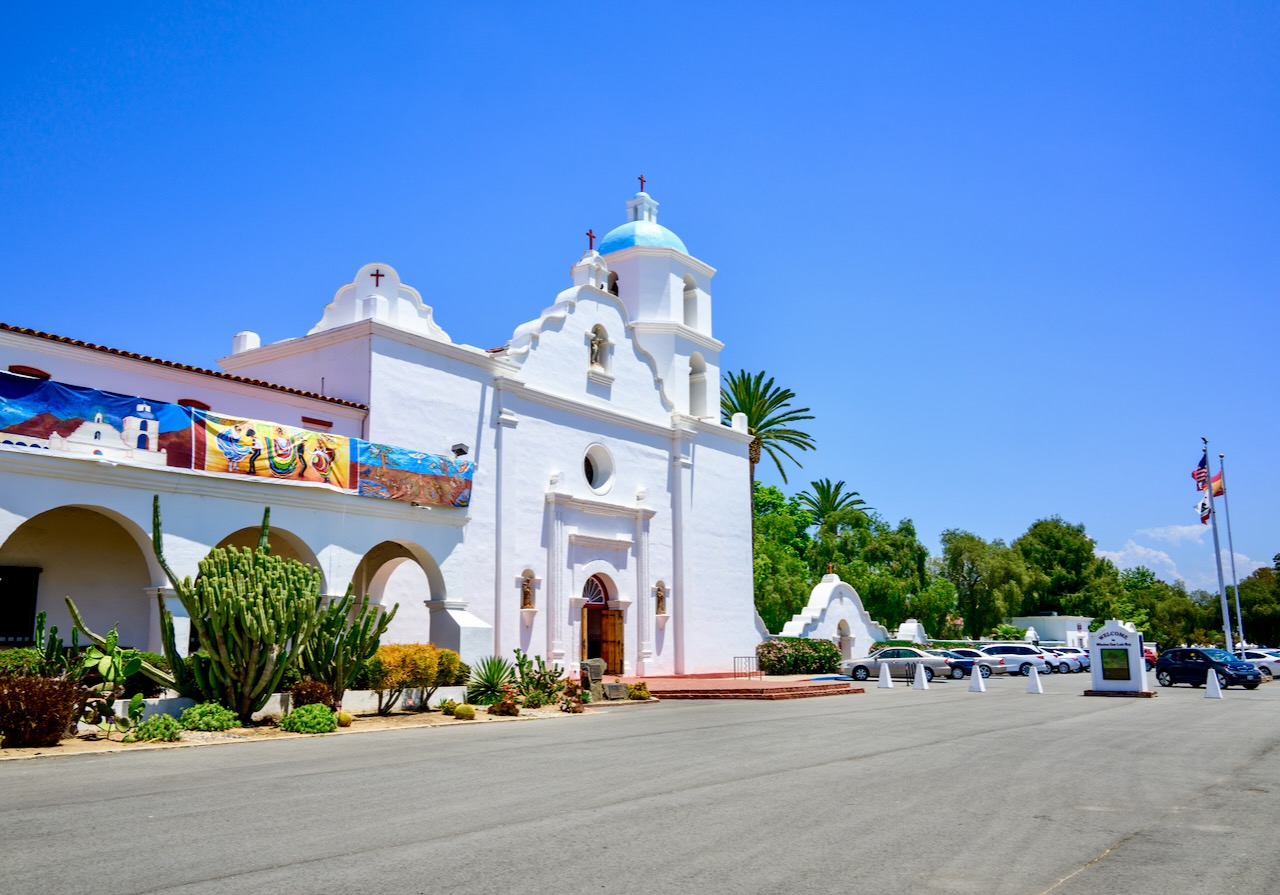
From a home or condo buyer’s point of view, San Diego’s appeal is a stable demand base, scarce land, and a climate and lifestyle that keep people from leaving.
The weather is the everyday reason people pay up. Mild, dry conditions most of the year mean outdoor living is usable year-round, and homes do not face the freeze, snow, or humidity costs common elsewhere. Beaches, harbors, parks, and nearby mountains are part of ordinary life, not a vacation add-on.
Demand is broad, not tied to one industry. The Navy and defense contracting are a large, relatively steady piece of the local economy — on the order of a fifth of regional output. Biotech, UC San Diego, health care, tourism, and the border and port economy add other employer bases. That mix supports a deep pool of buyers and renters, which is what a long-term owner wants behind resale and rental demand.
Supply is structurally tight. The city and much of the coast are built out, hemmed in by the ocean, the border, military land, and terrain. Detached houses stay scarce; county median prices in 2026 have been in the low-to-mid $900,000s, with single-family medians around $1 million and condos and townhomes nearer $670,000–$690,000. That scarcity is why prices have held even when sales volume cooled. Condos are the more attainable entry: more inventory, closer to a balanced market, and still tied to the same job and lifestyle demand.
For a buyer, the practical case is this: you are paying a high entry price for a place people consistently want to live, with diversified local employment and limited new land. The tradeoff is cost — prices, insurance, and carrying costs are high relative to most of the country — so the “good place to live” case only works if you can afford the payment and plan to stay long enough for the lifestyle and the constrained supply to matter.
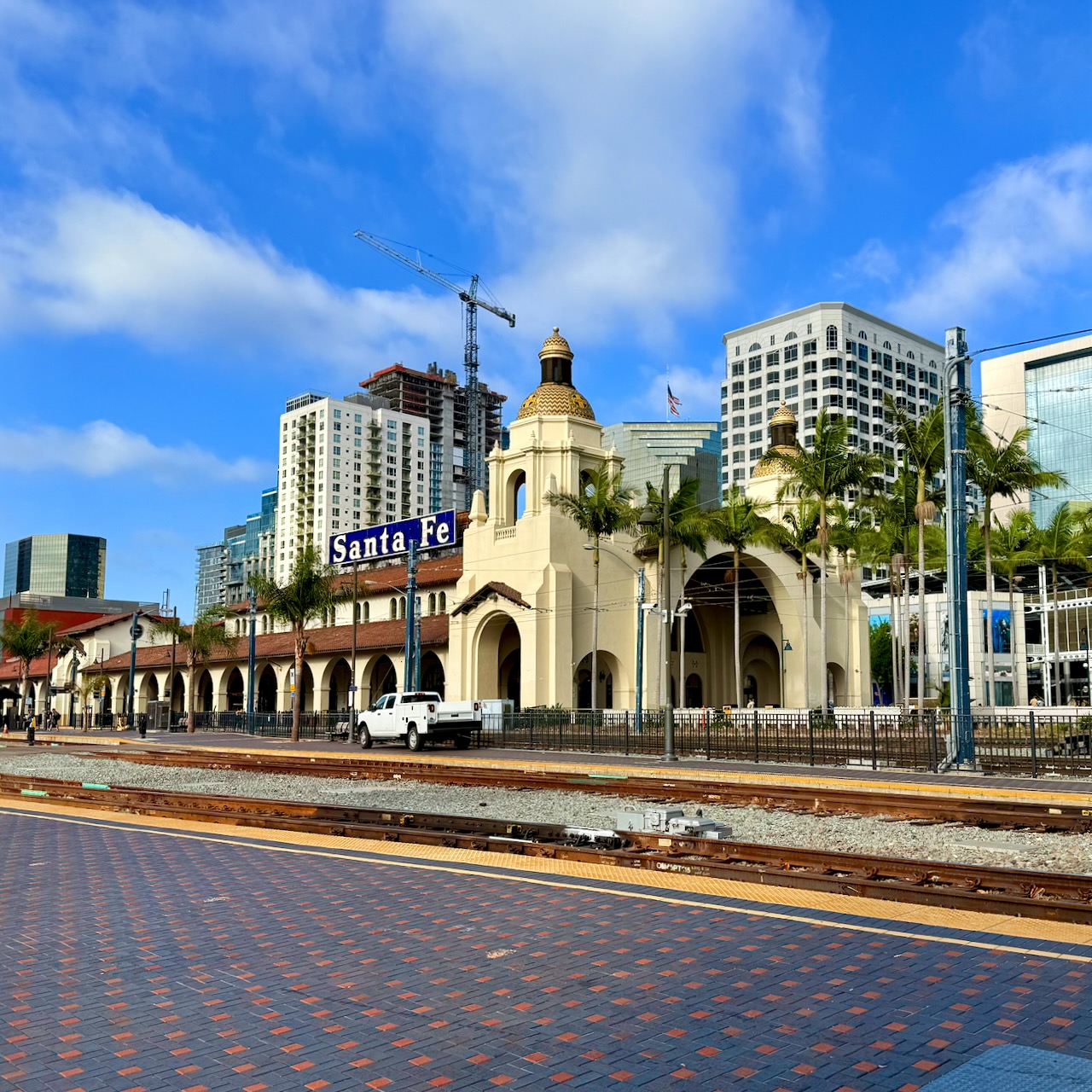
San Diego is not a low cost place to live. If you value outdoor living almost the entire year, and you can afford it, it is a great place to live.