
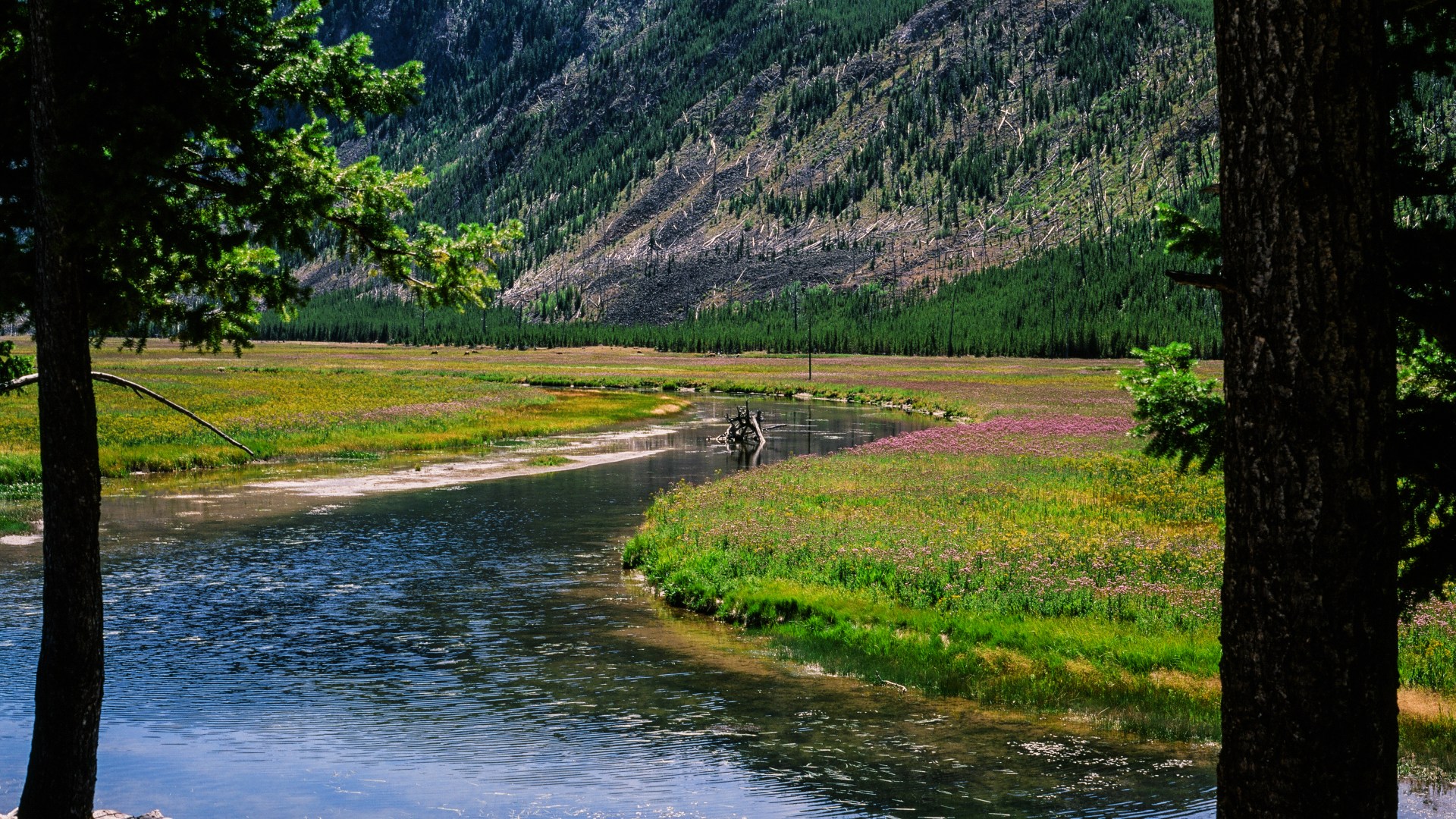
The Madison River is one of the most iconic and celebrated rivers in the American West, particularly renowned as a world-class trout fishery.
I have a long history of visiting the area of the Madison River. When I was about 12 my Father, Grandfather, Uncle, and I went for a summer fishing trip up to the area to catch some trout. My Grandfather and Uncle Fred both had grown up in IL on a farm and a good portion of their free time was spent hunting and fishing. My father had gone with his father to many places in the midwest US to hunt and fish. By 1960 when I was about 12 all four of us lived in the San Diego CA area. I was mostly new to fishing.
It originates in Yellowstone National Park at Madison Junction, where the Firehole and Gibbon rivers converge. From there, it flows westward through the park for about 19 miles before entering Montana, eventually joining the Jefferson and Gallatin rivers near Three Forks to form the headwaters of the Missouri River. The total length is approximately 183 miles (295 km).
When we arrived at the Madison in the summer of 1960, the road leading there was heavily damaged in the area around Hebgen Lake due to a devastating 7.2-magnitude earthquake. This earthquake had severely damaged the Hebgen dam and the road that encircled it.
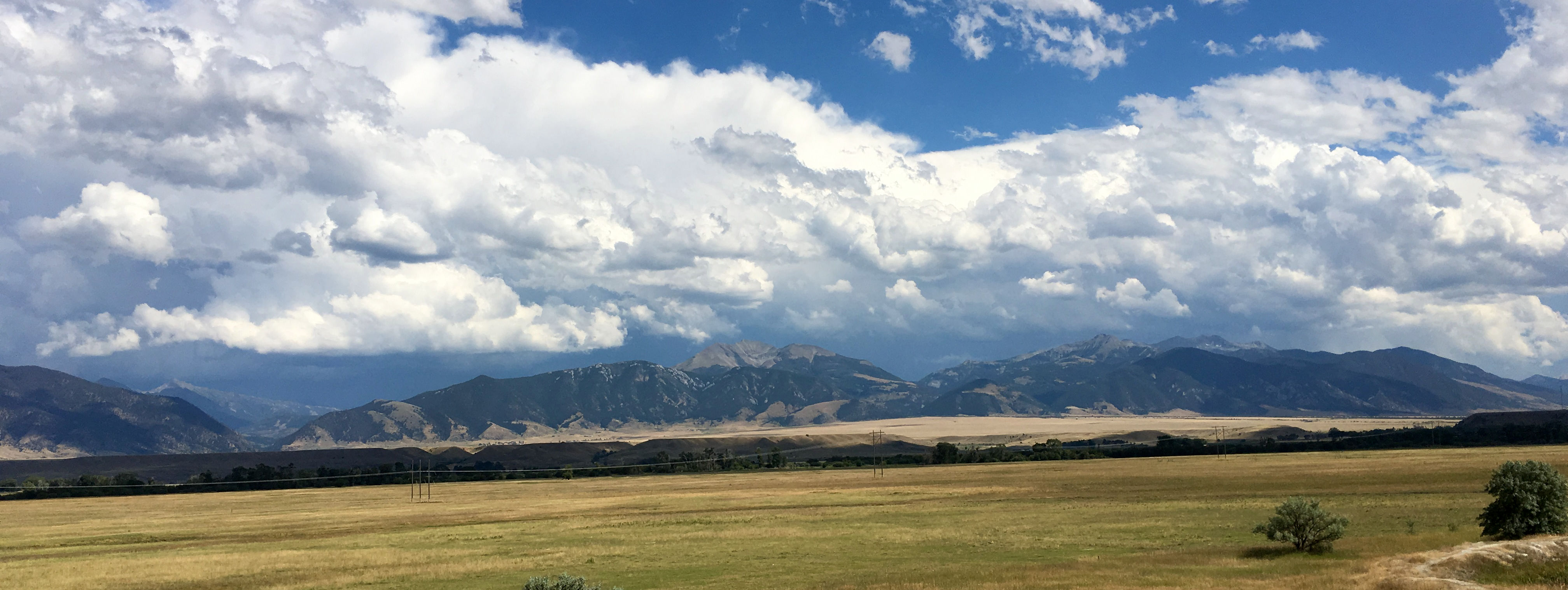
The river passes through stunning landscapes, including sections within Yellowstone, Hebgen Lake (formed by a dam), Quake Lake (created by the 1959 Hebgen Lake earthquake landslide), and the scenic Madison Valley flanked by mountain ranges like the Madison, Gravelly, and Tobacco Root.
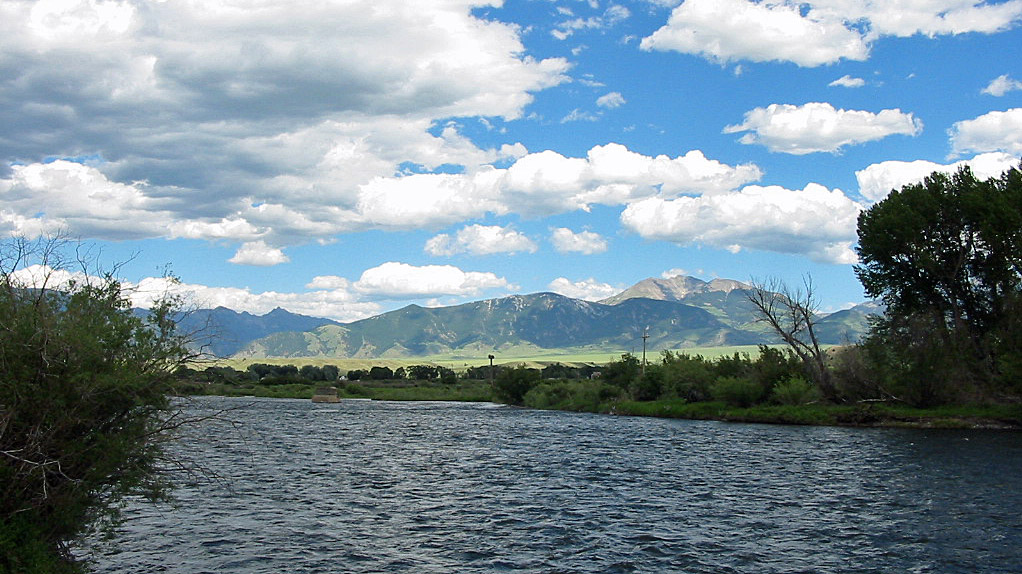
The best time to fish the Madison River in Montana depends on what you’re after—peak dry fly action, big trout, fewer crowds, or consistent year-round catches—but most experts and guides agree on a few standout windows that deliver the classic, high-quality experience.
Peak Overall / Classic Summer Dry Fly Season: Late June through August
This is widely regarded as the sweet spot for the “iconic” Madison experience:
Drawbacks: Warm water temps in late summer can slow midday action; some years low flows if snowpack is light.
Why it’s best: Post-runoff water clarity, stable flows, prolific hatches (salmonflies and golden stones in late June/early July, followed by caddis, PMDs, yellow sallies, and terrestrials like hoppers/ants), and aggressive surface feeding. Dry fly purists often call July the top month for consistent dry fly action across the river.
Upper Madison (Hebgen to Ennis): Excellent hopper and stonefly fishing; the “50 Mile Riffle” shines with floating bugs.
Lower Madison: Good early summer dry-dropper/nymphing, though it can warm up in August (fish early mornings or late evenings to avoid stress on trout).
Crowds: High in July/August—popular time, so book guides/hotels early and hit the water at dawn.
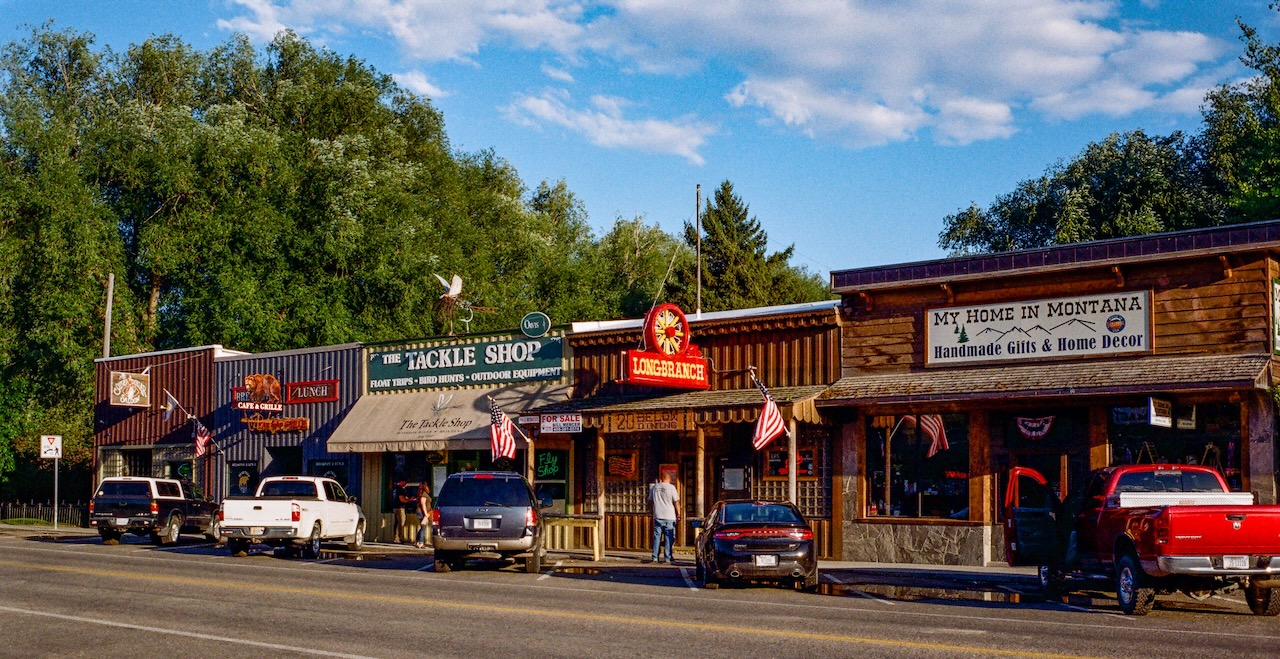
Close to Ennis Montana are two restored old towns that are very much worth a visit. I have been to Nevada City MT. But I have been told Virginia City MT is also worth a stop by.
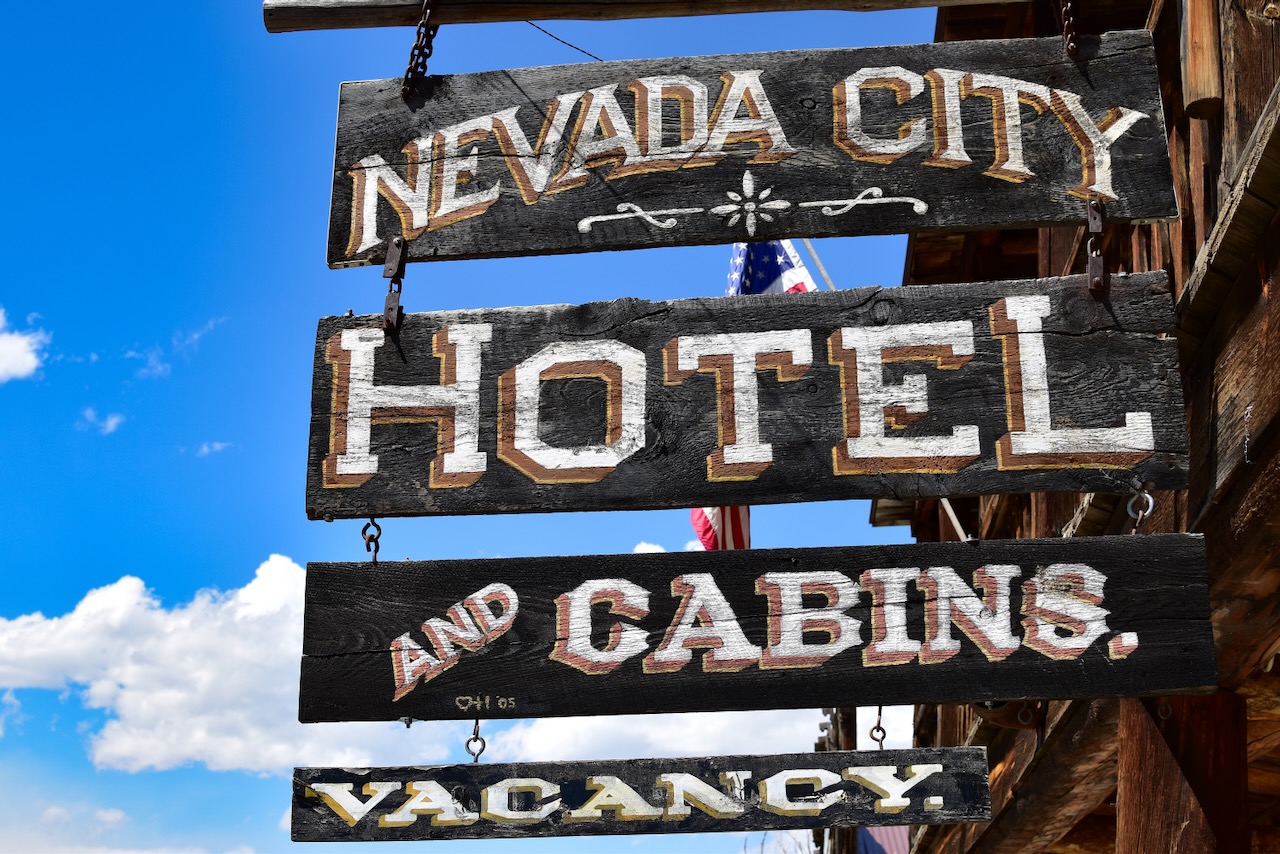
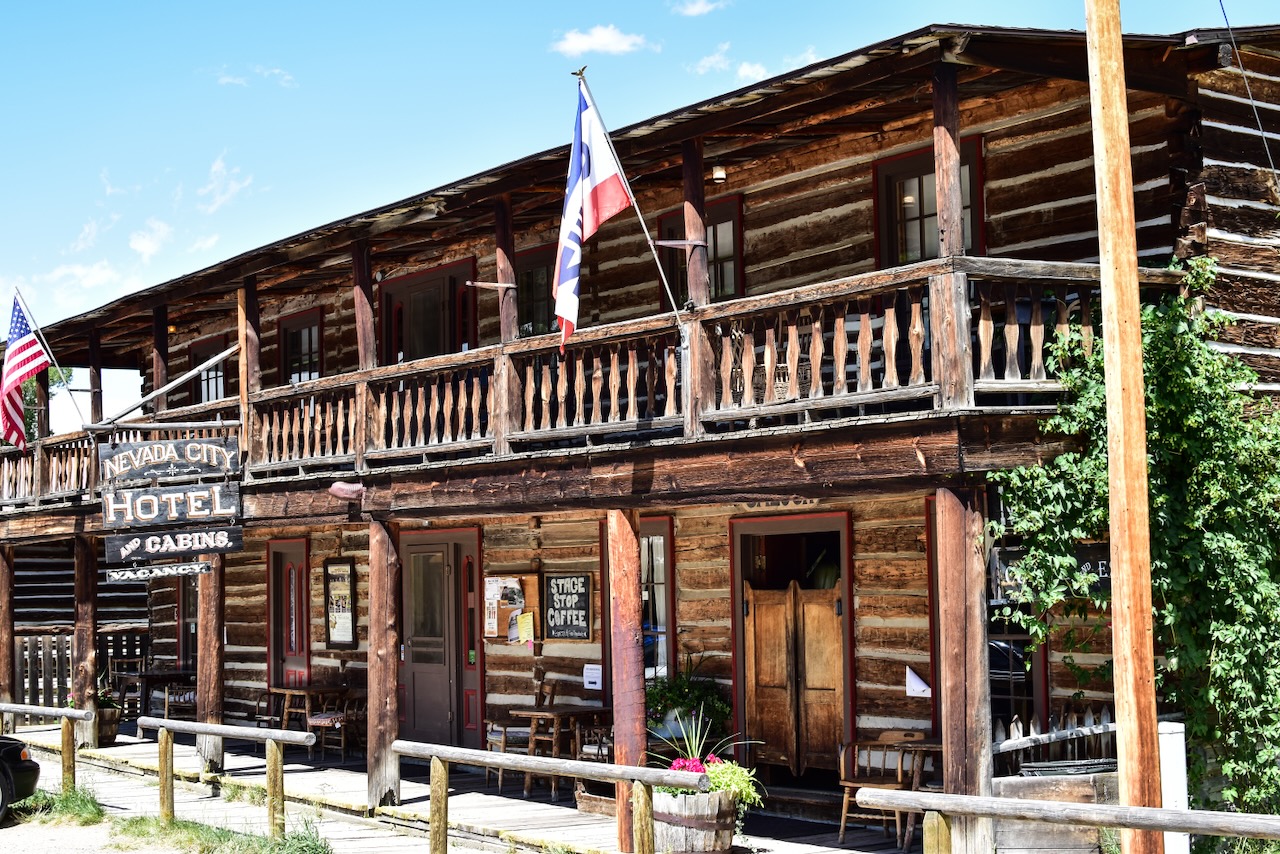
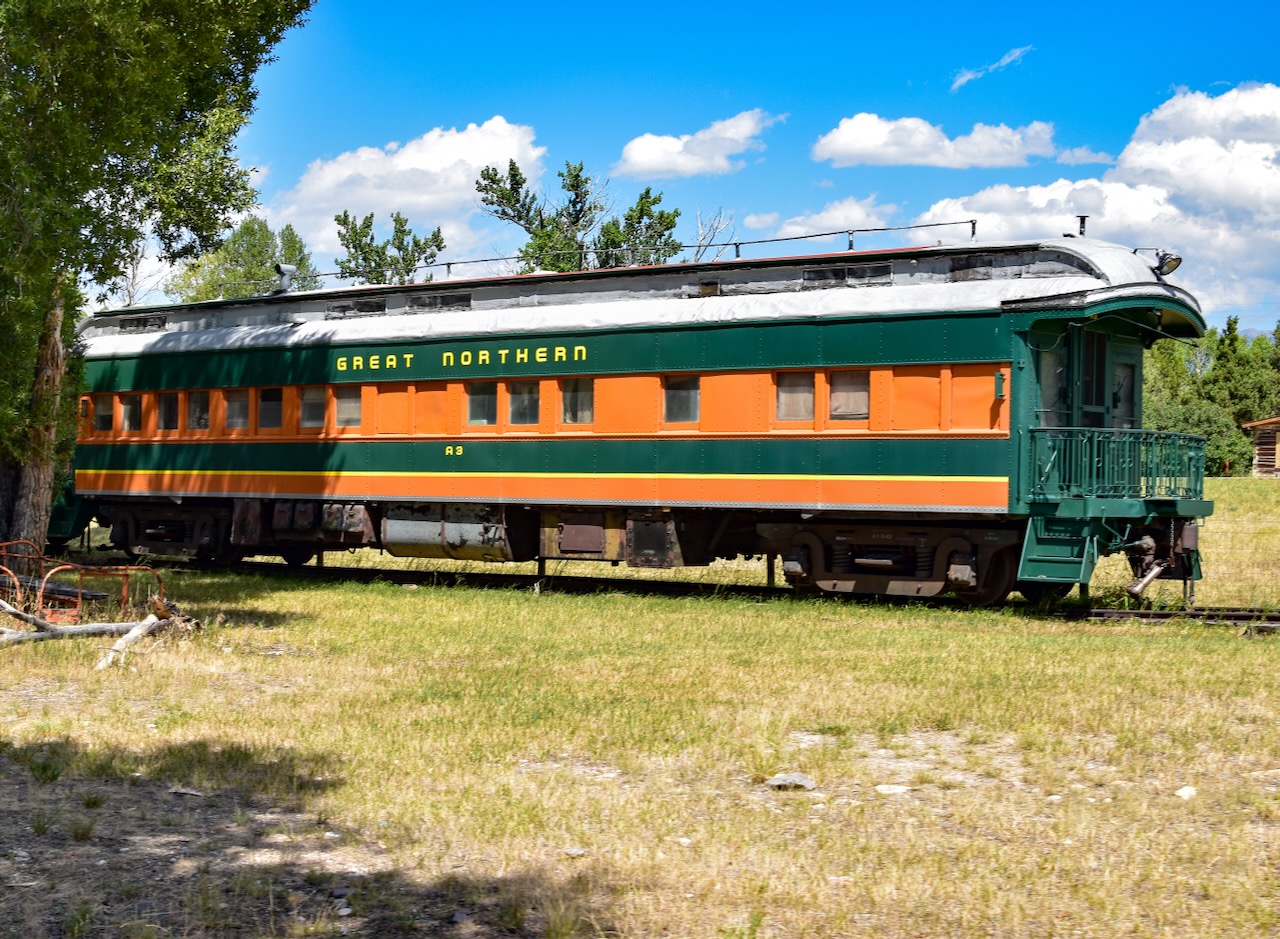
And of course a drive to Hegben Lake and on to Yellowstone is a must do.
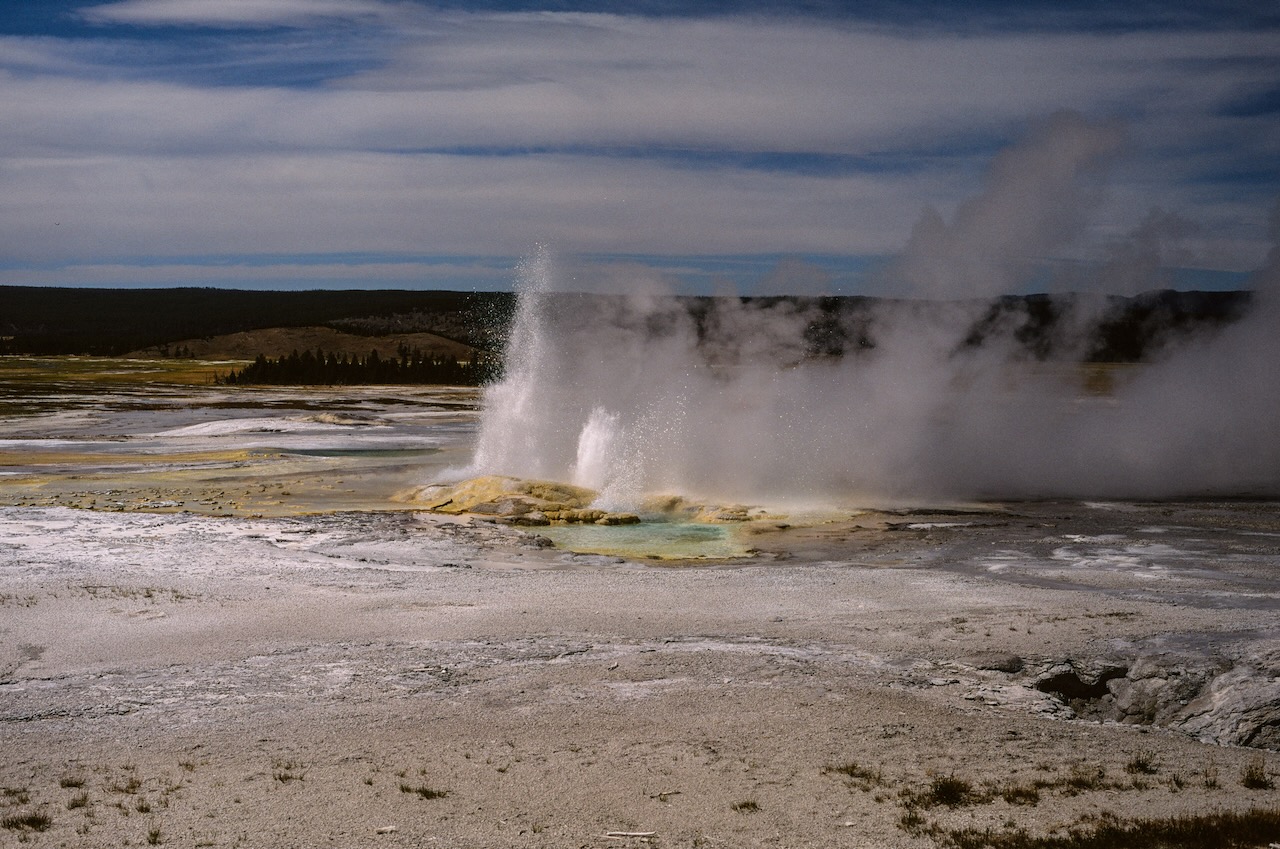
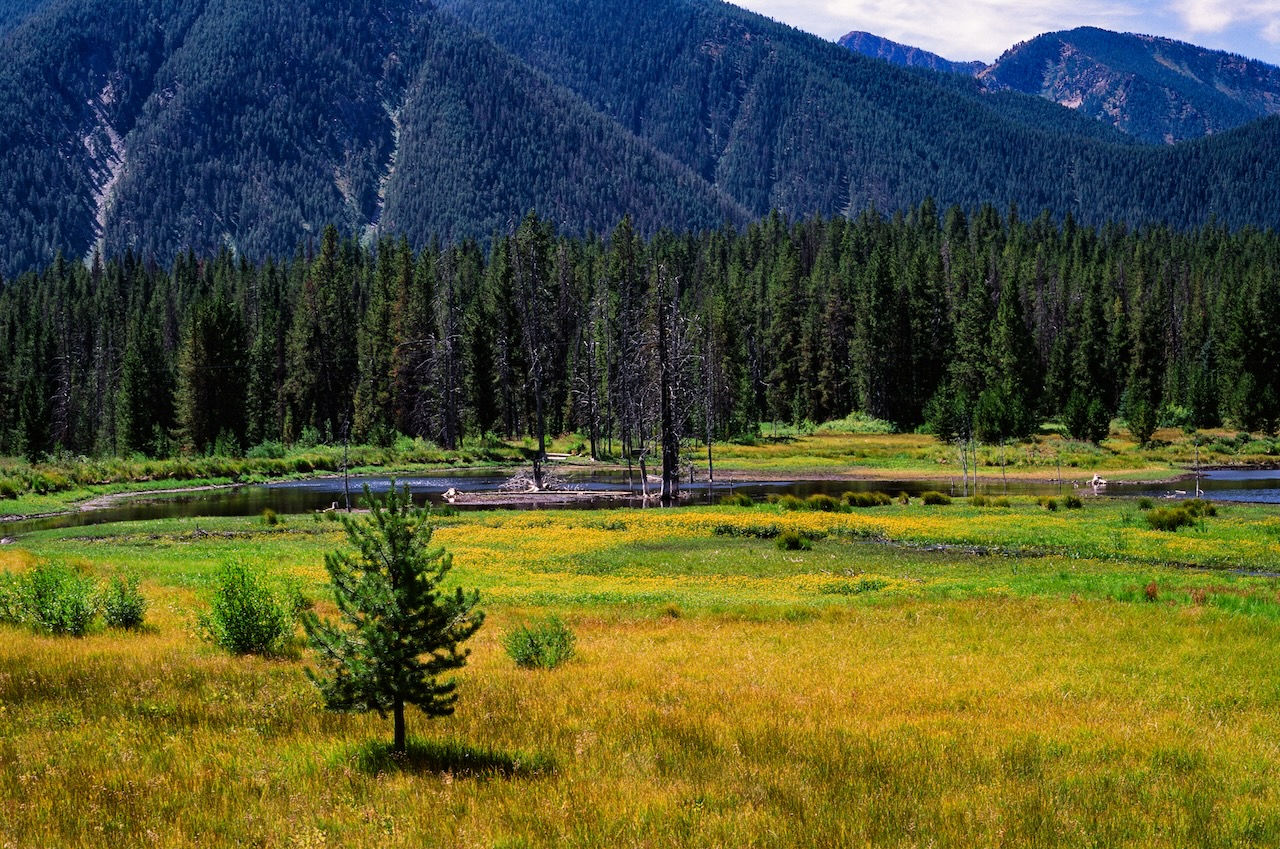
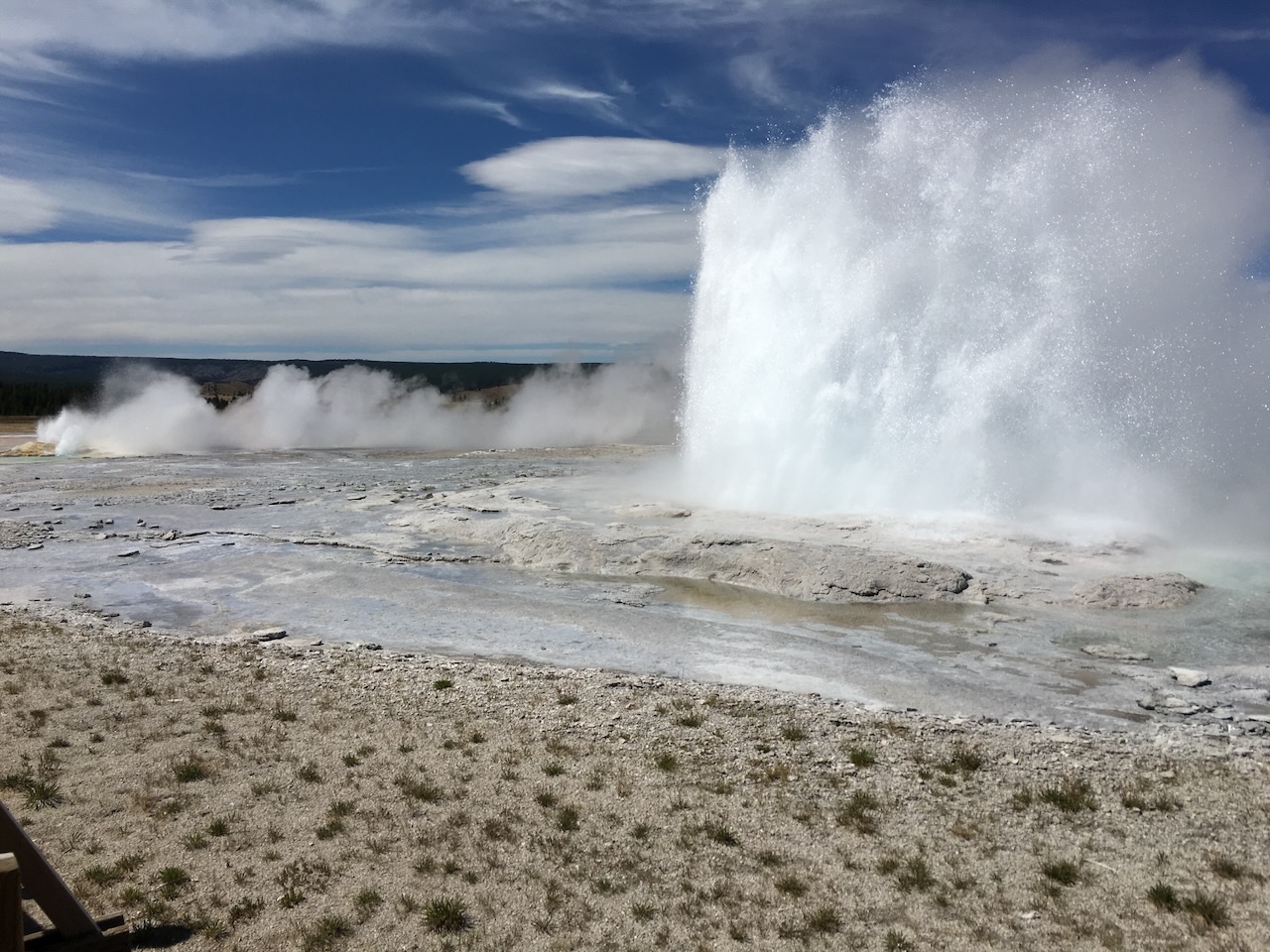
While you’re in the area, consider traveling through Yellowstone and exploring Grand Teton National Parks. I hope you enjoyed this blog post. If you have any questions, feel free to leave them in the comments below.

 BobNuttmann.com