

I started shooting photos as a hobby back in the 1960’s. My father had been an avid photographer from the 1940’s. All the cameras used film. The most common cameras were simple with few or no adjustments. My father bought a Voightlander Prominent in 1953 with three lenses. A 35mm f3.5, 50mm f1.5, and a 100mm that was about f4.5. He mostly shot Kodachrome and Kodak negative film. He also had a Braun electronic flash. And a Yashica medium format model 124. That was a copy of a German Rollieflex. My grand father had a Kodak point and shoot that used 120 size film.. The Kodak did have a built in flash that used bulbs. By the time I was 18 or so my Dad started to loan me the Voightlander. I took lots of photos of the beach, surfing, ocean waves, and so on.
I started buying better camas about 1975 and owned several including a Nikon FM. And in 1980 I decided to buy an Olympus OM2n new. I still have it. It works great and has never been serviced. I did have to have my 28mm lens repaired once. I usually put a new battery in it every year, but you don’t really need to for 2-3 years.

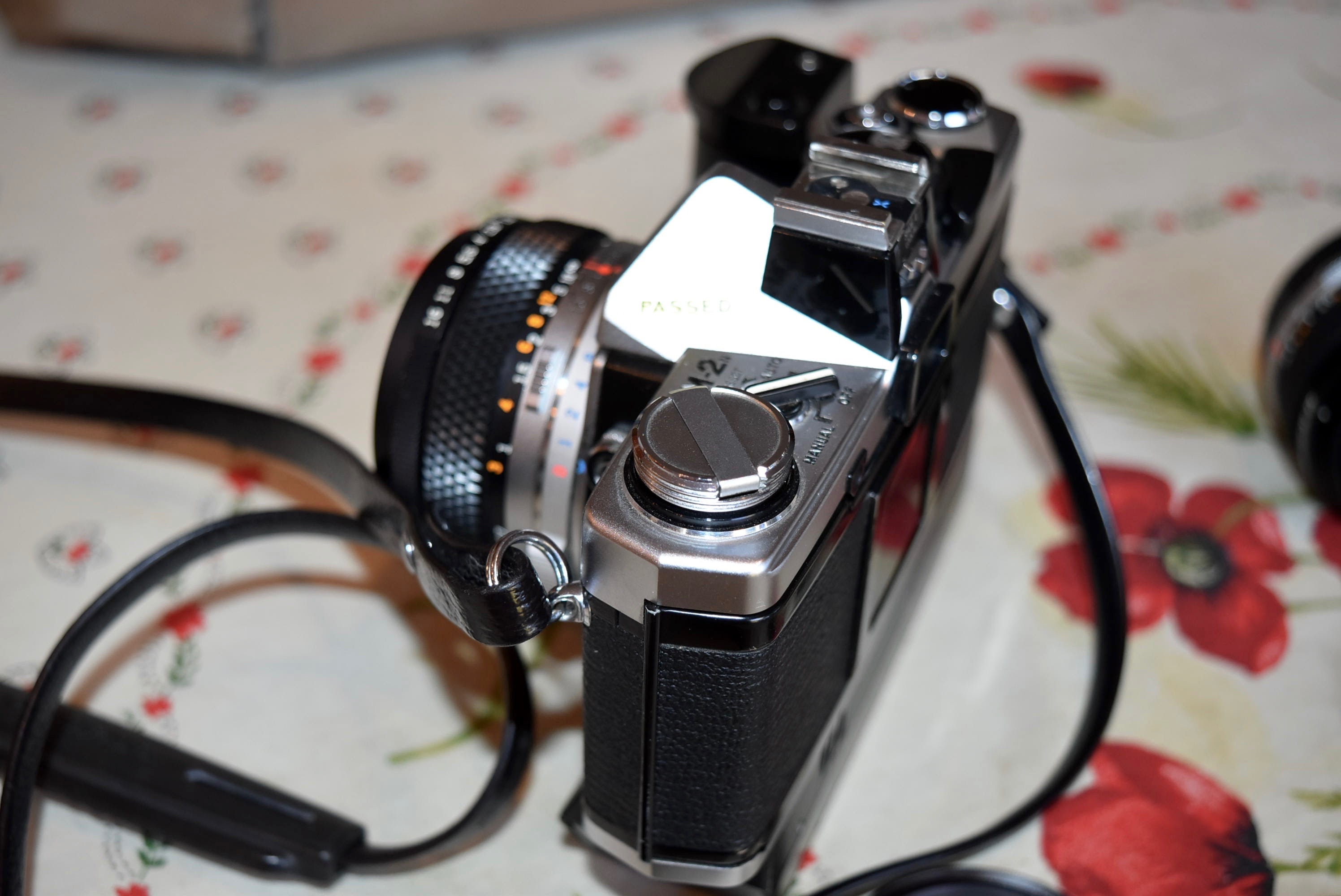

I have had several Olympus OM2n’s bodies over the years the above photos are a few of them. A great camera. One of the best ever made. Very good lenses. Simple to focus. Light but made out of metal. Very good exposure system.
And today my three latest cameras are my iPhone 15 Pro Max, Nikon Z50, and Nikon Z8. The Nikons have a bunch of lenses to go with them. Before this current crop of Nikons and iPhone I have had a bunch more digital cameras and about a dozen smart phones. So where does film and film cameras fit in?

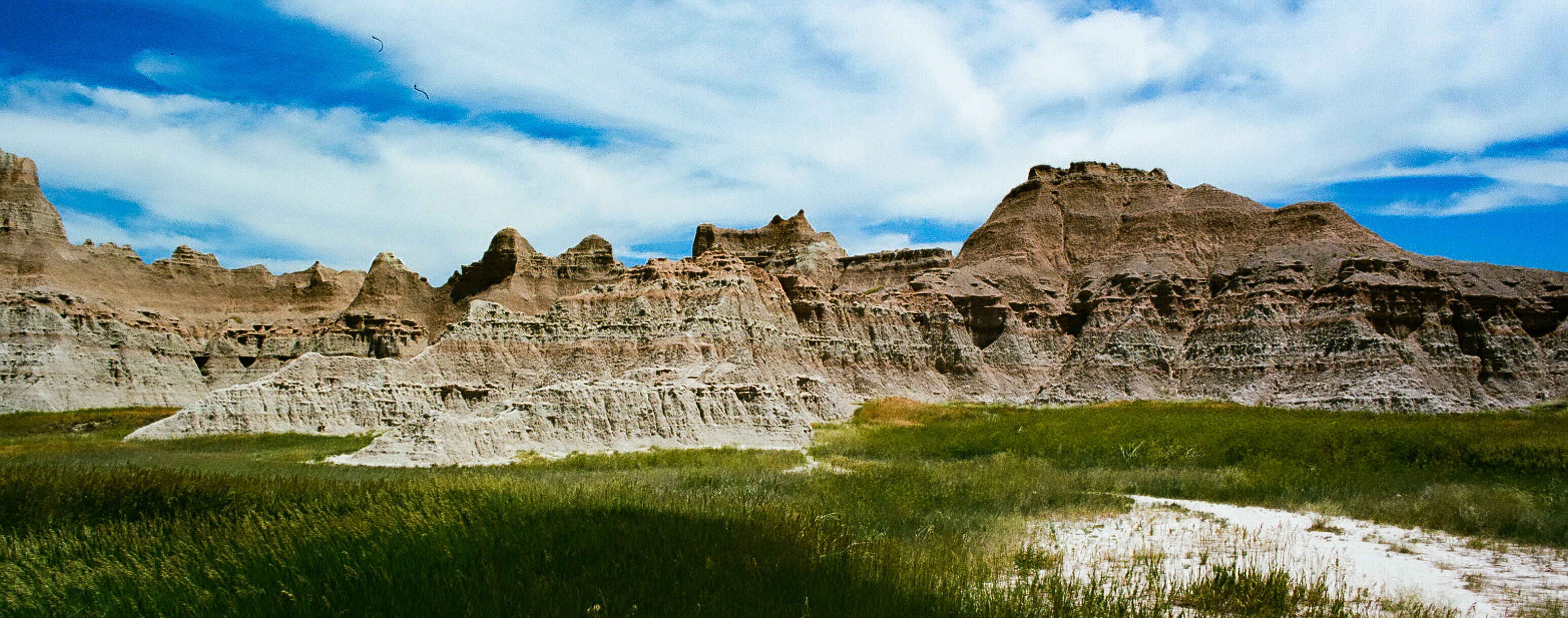
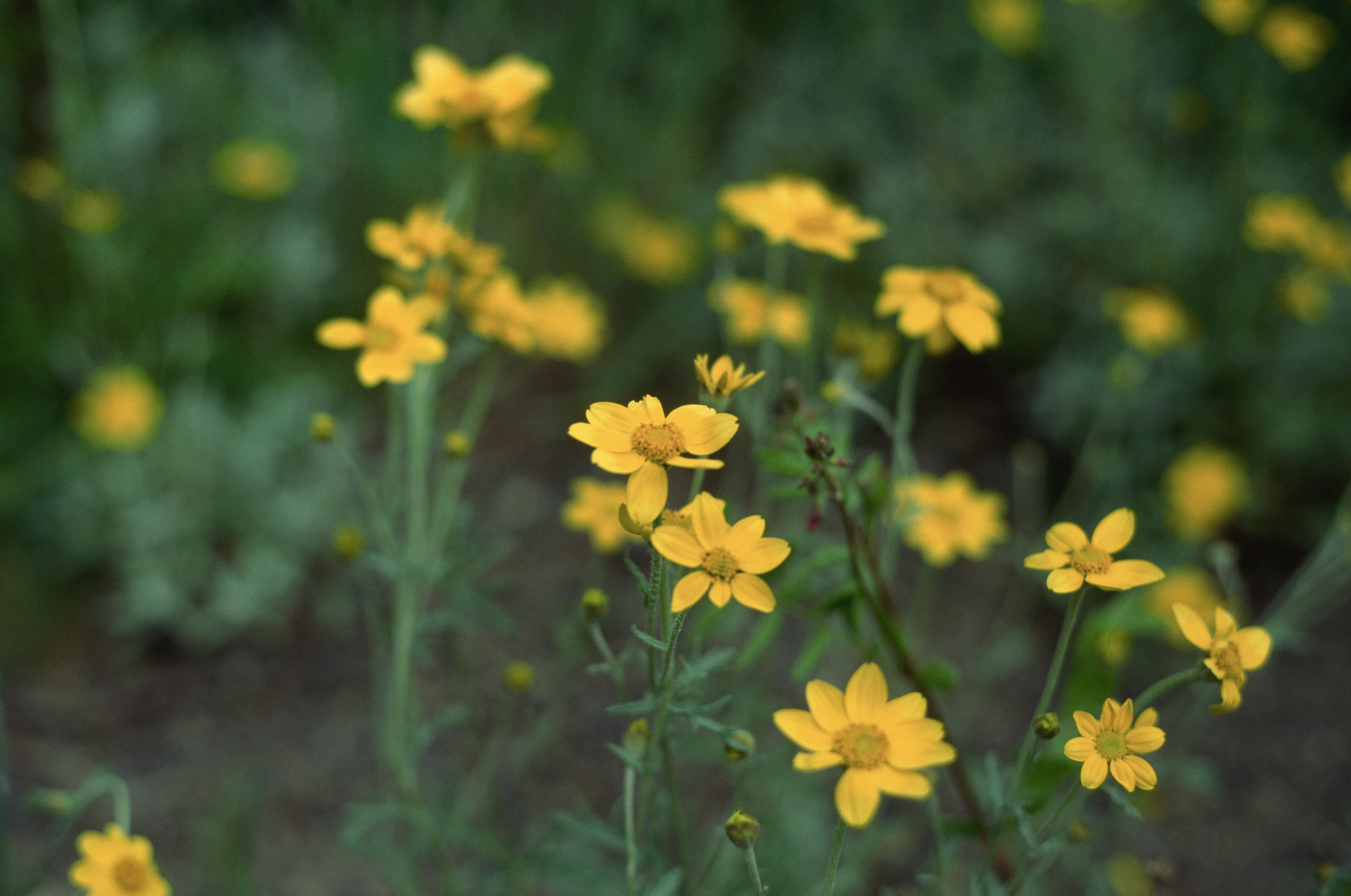
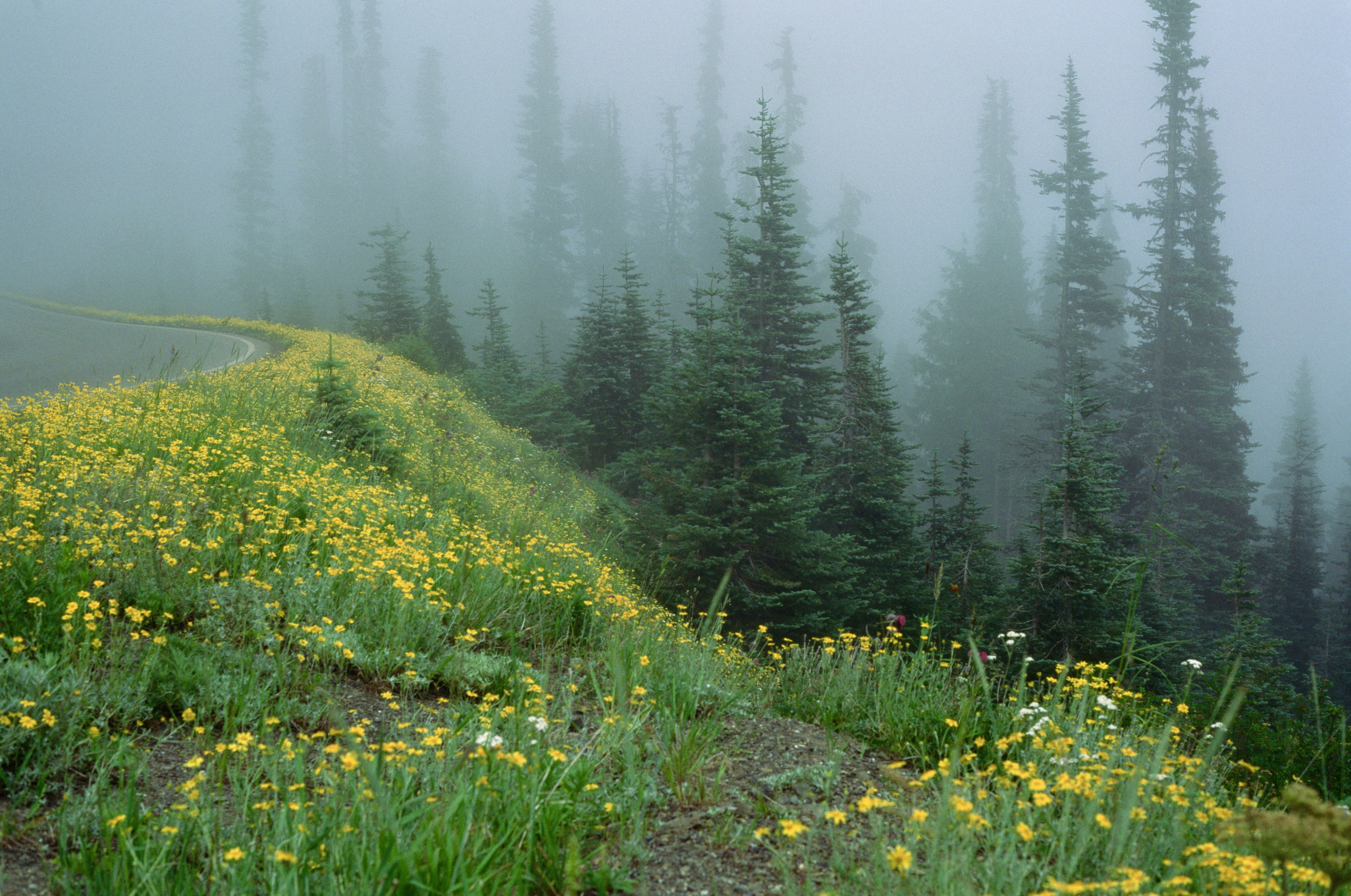



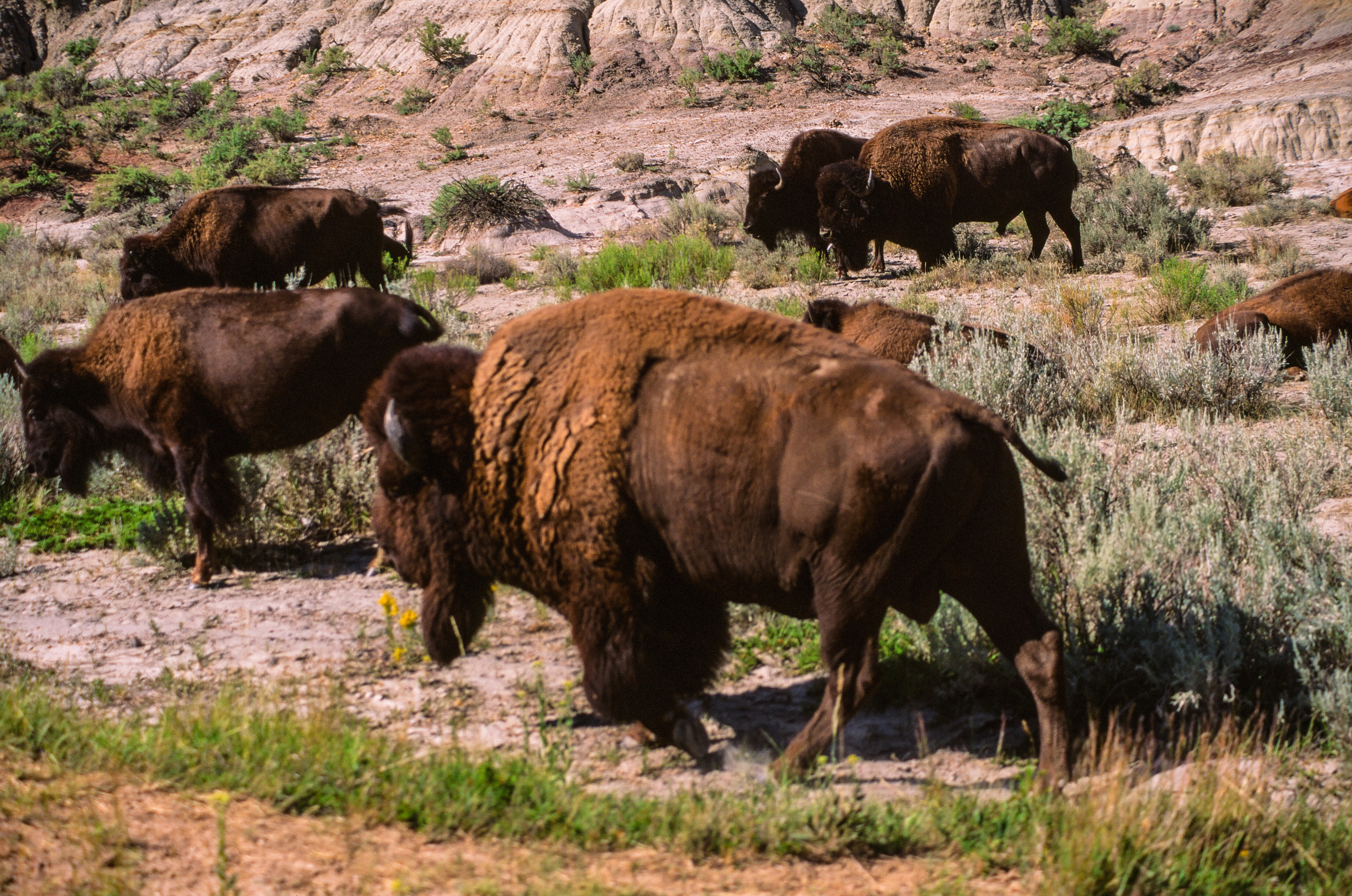
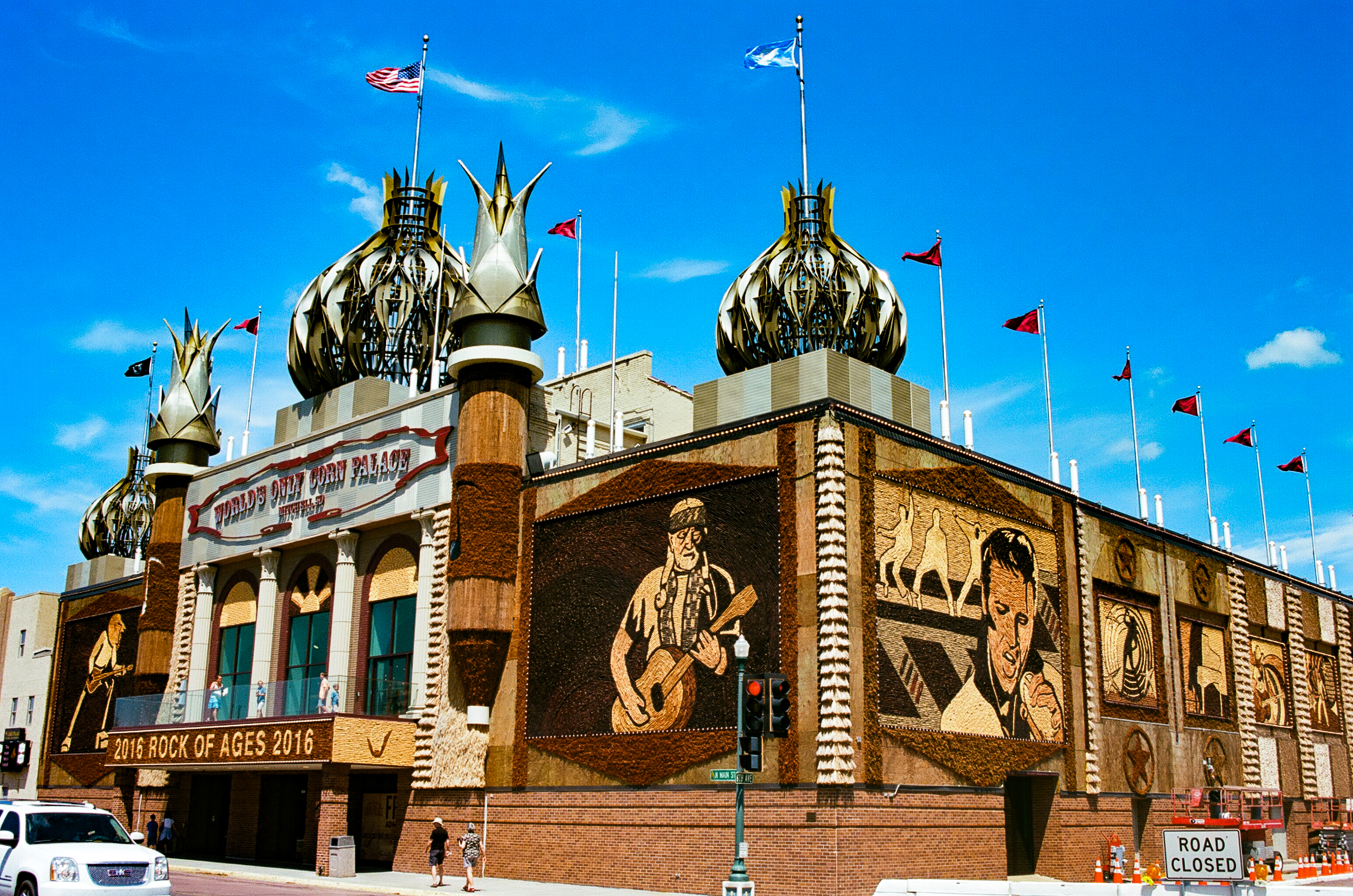
All above 7 photos are taken with 35mm film cameras. You can get similar photos with digital, but film looks different and in my opinion is a different art form as water color and oil paintings are different. Are old manual focus film cameras as easy to use in dim light as a modern Nikon, Canon, or Sony digital camera, no. But in many cases old manual focus film cameras are much easier to use than newer auto focus digital ones. A good manual focus camera like my Olympus OM2n you just point it at the subject you want and fit the split images together in the viewfinder, then shoot. Or in many cases landscape shots are at infinity and you just turn the lens to the infinity stop. Most modern lenses have no infinity stop so you have to make sure through the viewfinder you are focused correctly.



The four photos above were taken at the same time, same day. The top photo was with a Nikon D5500. The bottom ones with a 35mm film camera. Photo 3 was a Nikon D5500 and the bottom one film. In my opinion the film shots are better. I edited all four photos in Adobe Lightroom.
After a two and a half year break of not shooting film I have pulled a couple of my old film cameras out, dusted them off, and am using some left over film rolls from the office closet. Plus I have placed an order for some fresh Kodak and Fuji film that should be here any day. I also ordered a used Minolta 100mm f2.8 macro from ebay to replace the one I sold a couple of years ago. In my opinion it was the best close up flower lens I have ever owned. I will get it in time to take advantage of some of this years spring bloom. I might even get another Olympus OM2n and Minolta 600si body so I can have more flexibility in having one with color and one with black and white. Or one with a wide angle lens and one with a normal lens. The thing is when you buy old gear it is usually very inexpensive so you can afford it. Film and developing costs money, but use your shots carefully. A good new digital body costs between $2,000 and $4,000 these days. You can get a lot of film and developing for that.
I have written several /many previous posts about old cameras and film photography. Please use the search tool in this blog to find them and look what I have said a few years ago.

 BobNuttmann.com